

This is crazy:Just over 100 years ago, Thomas Huxley, who, by the way was a great biologist, said the oceans are so plentiful, they’re inexhaustible.
Fast forward to today, and I’m sorry to report Thomas Huxley was mistaken.
In fact, your ocean is in more trouble than ever before.In this article, I’m going to share with you the current state of your ocean (warning: it’s worrying) and what you can do to help protect the reason you’re alive today.
Spoiler Alert: it’s simpler than you may think.
So, let’s start it off by discussing my top reasons why you should care about saving your ocean.
Reasons to Save Your Ocean
The ocean is awesome.
Exhibit A:
I know what you’re thinking…
…awesome.
In fact, all life on Earth is connected to it.
Here are the simple facts:
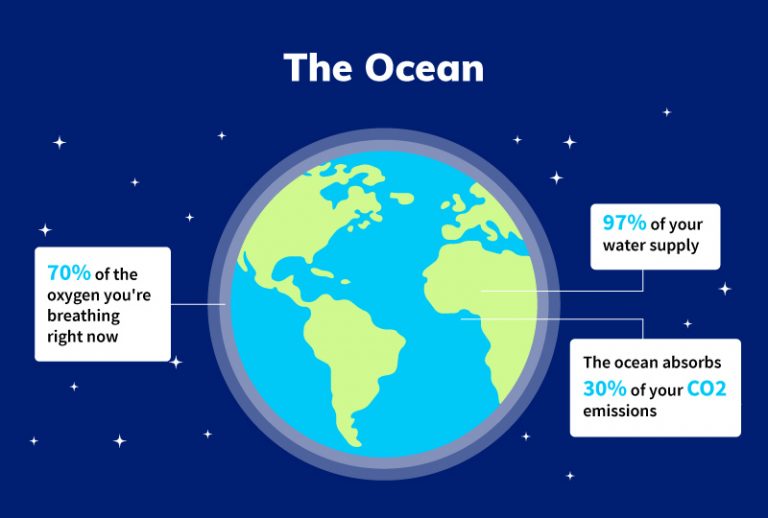
- 70% of the oxygen you’re breathing right now came from marine plants
- 97% of your water supply is contained by the ocean
- The ocean even does you a favor, absorbing 30% of your CO2 emissions
Your ocean covers over 70% of Earth’s surface, carries out approximately 50% of global primary production, and hold up to 54x more carbon than your atmosphere.
Oh yeah, I nearly forgot.
It also supports the greatest biodiversity on the planet.
Before we get stuck in, here’s a quick overview of my top three reasons for why you should invest some time into helping our oldest friend out.
1. The Ocean is Our Lifeblood

Driving the weather, regulating temperature, and ultimately supporting all living organisms.
Throughout history, it’s been a vital source of sustenance, transport, ecommerce, growth, and inspiration.
2. It Keeps You Alive, Safe, Paid, and Fed
Not only does ocean life help protect you against disasters (more on this later in the article), all the products that keep you warm, safe, informed, and entertained can all come from or be transported by, the ocean.
Let’s not forget the millions and millions of people worldwide who rely on the ocean for income, food, and more.
One in six jobs in the U.S. is marine-related. And more than $128 billion in GDP annually results from ocean tourism, recreation, and living resources.
And the medicine in your cabinet…
…take a look. You’ll find an abundance of ocean ingredients in everything from shampoos and cosmetics; to medicines that fight against cancer, arthritis, Alzheimer’s, heart disease, viruses, and more.
3. We Don’t Really Know What’s Down There
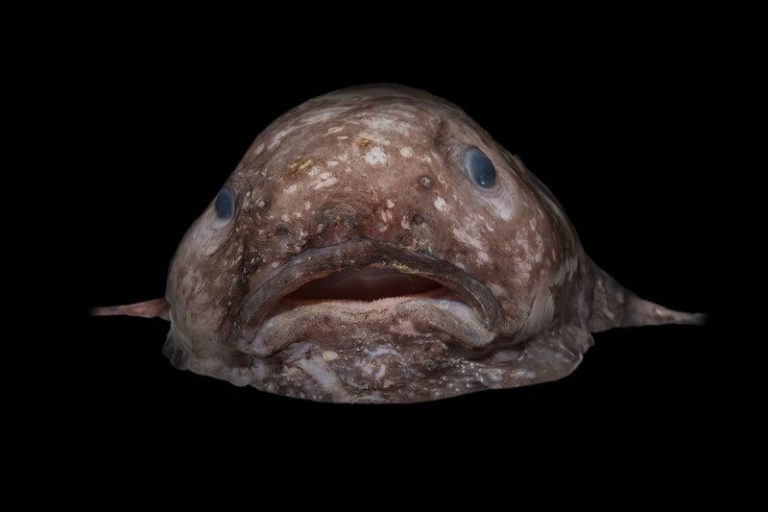
Think about this for a moment: We’ve yet to explore 95% of the ocean.
Mad.
No one knows what could be living down there or the progress we could make as a society as a result of studying what ever’s down there.
We have no idea. We have NO clue on how many species of animals are in the ocean.
And the thought of losing out before we even get a chance to find out is devastating.
Pollution Statistics Going into 2018
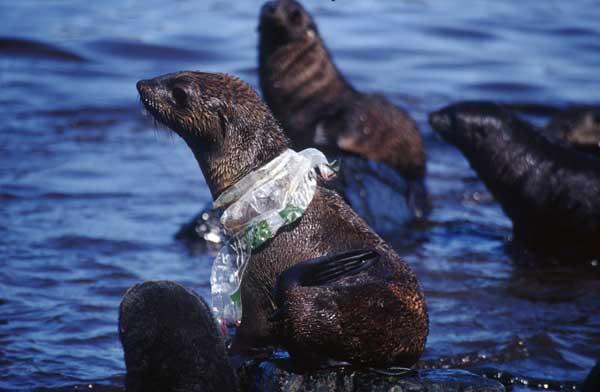
Here’s a list of facts and statics on the pollution of your ocean:
- Over 80% of marine pollution comes from land based activities.
- Excessive nutrients from sewage outfalls and agricultural runoff have contributed to the number of low oxygen (hypoxic) areas known as dead zones.
- There are now close to 500 dead zones covering more than 245,000 km² globally, equivalent to the surface of the UK.
- 80% of urban sewage discharged into the Mediterranean Sea is untreated. This can lead to eutrophication, human disease, and beach closures.
- Approximately 300 billion pieces of floating plastic (most of them tiny but visible to the unaided eye), have clogged just the Arctic Ocean alone.
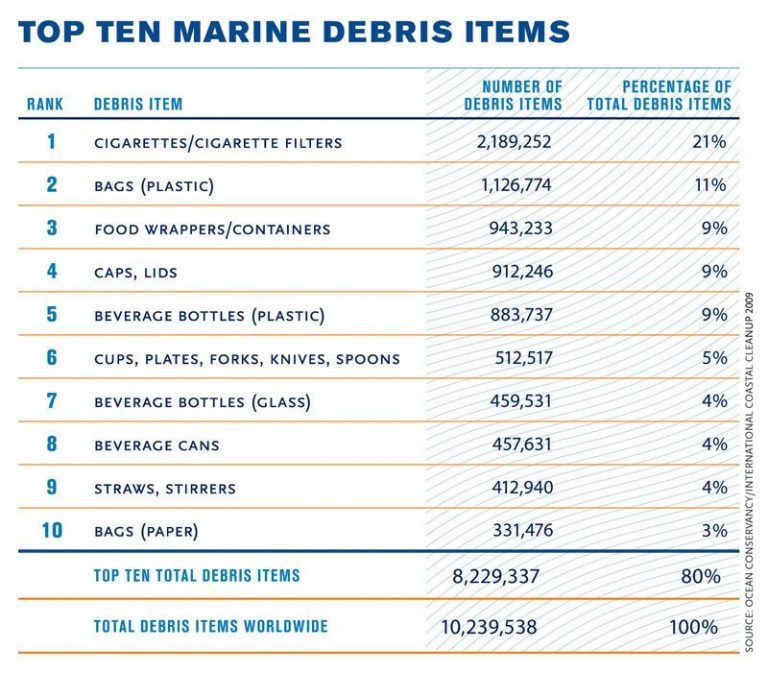
- According to the National Oceanic and Atmospheric Administration (NOAA), roughly 1.4 billion pounds of trash is dumped into your ocean every year.
- 12 billion of the 32 billion gallons of municipal wastewater is discharged into your sea.
- In the Uk, for every 100m of beach, there are over 200 plastic or polystyrene items.
- 5-13 million tonnes of plastic leak into your ocean every year, Worldwide.
- A study by the University of Georgia found 18 billion pounds of plastic winds up in your ocean each year–enough to cover every foot of coastline around the world with 5 full trash bags of plastic.
- There are 25 trillion pieces of plastic debris in your ocean: 269,000 tons float on the surfaces, while 4 billion plastic microfibers per square kilometer litter the sea floor.
- Plastics are responsible for more than 80% of the negative effects on animals related to ocean trash.
- Ocean pollution is more common in deep waters (2000 feet+).
- It’s estimated there is anywhere from 15-51 trillion particles of floating micro plastic (weighing between 205 and 520 million pounds) in your ocean.
- In 1950, the world’s population of 2.5 billion produced 1.5 million tons of plastic; in 2016, a global population of more than 7 billion people produced over 320 million tons of plastic. This is set to double by 2034.
I know, that’s a lot of stuff which shouldn’t be there! But, these are not the scariest statistics.
Here’s where you realize just how bad it is.
The Effect of Ocean Pollution and Why You Should Care
The numbers associated with ocean pollution are terrifyingly large.
But get this… the effects are even worse.
How Ocean Pollution Affects Marine Life
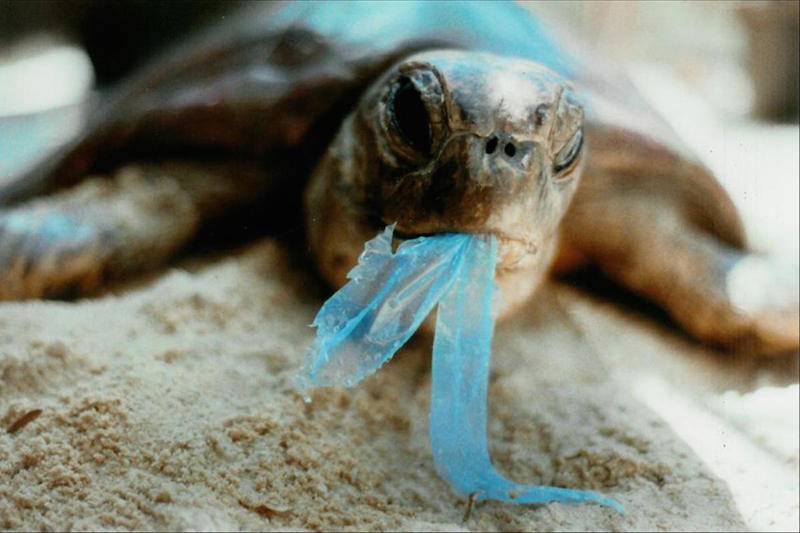
Discarded fishing nets kill around 300,000 Dolphins, Whales, and Porpoises every year.
100,000 marine mammals and turtles and 1 million seabirds are killed by marine plastic pollution every year.
Toxic metals can destroy the biochemistry, behavior, reproduction, and growth in marine life.
A study in 2017 found 233 marine species, 100% of marine turtles, 36% of seals, 59% of whales, and 59% of seabirds, as well as 92 species of fish and 6 species of invertebrates had plastic in them. Causing starvation, stomach problems, and death.
Nature study found man-made debris in 55-67% of all marine species.
It’s estimated at least 100 million marine mammals die each year from plastic pollution.
Hundreds of species of cetaceans (aquatic mammals like whales, dolphins, and porpoises), have been negatively affected by plastic pollution. Causing puncturing and tearing of their stomach lining, resulting in starvation and death.
98% of albatross studied are found to have ingested some kind of plastic debris.
How Ocean Pollution Affects the Cycle of Coral Reefs
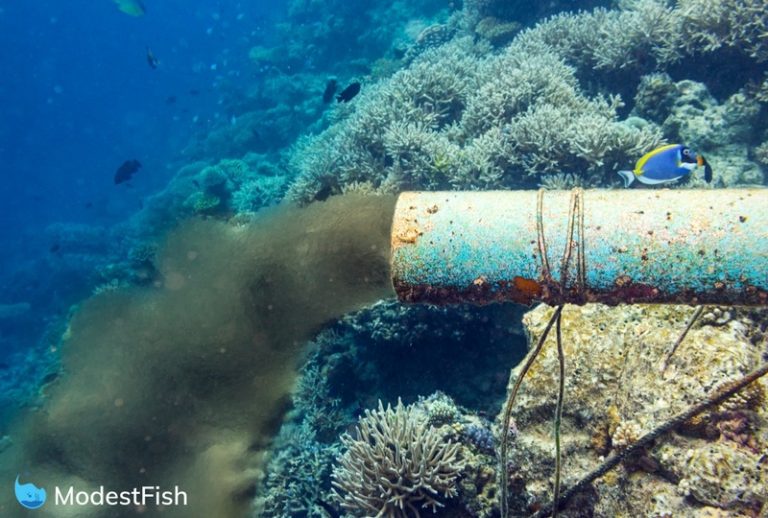
Corals are alive.
They’re invertebrates, mostly living in tropical waters, they secrete calcium carbonate in order to build protective skeletons–creating the impressive, vibrant colors you love.
However.
When sediments and other pollutants enter the a ocean, they smother coral reefs, speed up the growth of damaging algae, and lower the water quality.
This can make corals more vulnerable to disease, stop growth and reproduction, and cause cause changes in the food structures of the reef.
Known as the rainforests of the ocean, coral reefs populate a small proportion of the ocean, but provide habitats for one in four marine species.
We’ve already lost half of the world’s coral reefs in the last 30 years.
And a study from researchers at New York’s Cornell University found 11 billion pieces of plastic lodged in the Asia-Pacific ocean’s corals.
Here’s what else they found:
- The number of plastic debris is projected to increase 40% by 2025.
- Plastic debris appear to be responsible for more coral disease.
- Contact with plastic increases the chances of corals becoming diseased from 4% to 89%.
Senior Professor Drew Harvell stated, “Our work shows that plastic pollution is killing corals.”
Not just increasing their chance of disease, plastic items can block some of the light and oxygen corals need to survive. Making them more susceptible to infection by harmful microbes.
You see, plastic debris are like an RV for microbes–enabling them to live the nomadic life travelling the ocean.
Except, unlike hippies spreading love, they’re potentially spreading disease.
Please note, they do not present clear evidence pathogens (microbes), are been transferred by the plastic, but, it’s a strong possibility.
Either way, it’s clear pollution is having a dramatic affect on marine life.
But it doesn’t stop there. It directly affects you.
How Ocean Pollution Can Affect Your Health
Our ocean plays a vital role for supporting all life on earth.
That means, pollution doesn’t only affect marine life, it affects you.
Every day, toxic chemicals are being dumped on purpose or naturally flow off land into your rivers and streams–ending up in your ocean.
Oil, mercury, lead, pesticides, plastic, and other heavy metals can contaminate your water supplies and food.
When fish and other marine life mistake plastic items for food, they pass the toxic chemicals through the food chain.
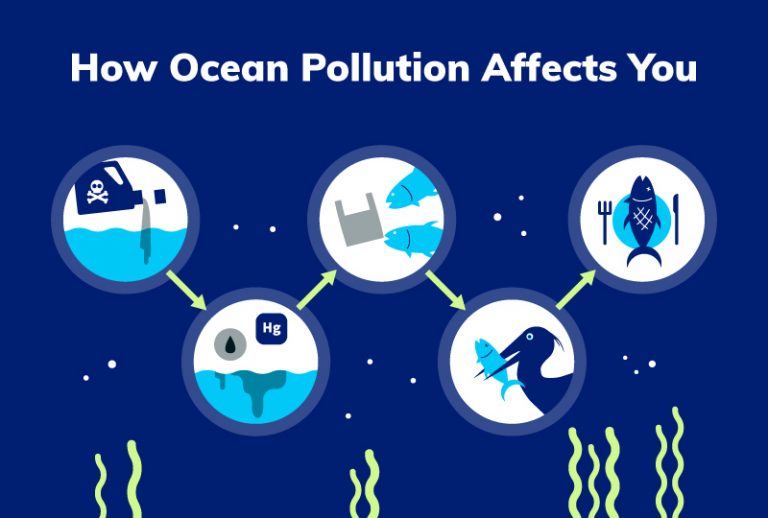
These pollutants become more concentrated as animals eat contaminated animals–which is bad news for us.
We’re at the top of the food chain and these toxic chemicals end up on our dinner plates.
As the plastic break apart in the ocean, they release chemicals like bisphenol A (BPA), which can then enter the food chain.
And with 1 in 3 fish caught for human consumption now containing plastic, the question is no longer, “are we eating plastic?” But, “how bad is it for us?”
Some of the studies are producing worrying results:
In seawater plastic absorbs chemicals like PCBs, PAH and DDT. Highly toxic, these chemical have a wide range of chronic effects.
Inducing endocrine disruption (these disruptions can cause cancerous tumors, birth defects, and other developmental disorders), and cancer-causing mutations.
If you’re exposed to these toxic chemicals for a long period of time, it has the potential to cause hormonal and reproductive issues, and damage to your nervous system and kidneys.
But, it’s not just about human health and the consumption of marine life.
Coastal lines and coral reefs provide billions of dollars in revenue: tourism, fishing, commerce, and medical research for cures to diseases including cancer, arthritis, and bacterial or viral infections.
Coral reefs directly protect humans.
Acting as a buffer for our shorelines against waves, storms, and floods, coral reefs help prevent the loss of life, property damage, and erosion.
When reefs are damaged or destroyed, it can directly increase the damage to coastal communities from wave action and violent storms.
11 Insignificant Changes You Can Make to Help the Ocean
I know what you’re thinking:
“This is bad… what can I actually do to make an impact? Surely it’s all in vain?”
Look, I totally understand that statement–I’ve had the exact same thought.
But, if more of us make these insignificant changes to our lives, we can work together to help support the bigger companies looking to make significant changes to our ocean.
So, without further adieu, here are some super easy ways you can help save and protect the ocean every day.
1. Reduce Your Plastic Consumption
I get it, plastic is very useful. And in our modern lives, plastic is so ingrained it can seem daunting cutting it out.
It’s 100% okay if you’re not ready to break up with plastic completely–I’m not.
But, with over 220 million tons of plastic produced every year, there are some small changes in your life you can make that will make a huge difference on the amount of necessary plastic in your life.
Here are some simple, practical ways you can help reduce the amount of plastic in your life:
Recycle… Duh, I Know
But, did you know 91% of plastic isn’t recycled?
So we’re actually not very good at it.
If you’re unsure on what can and can’t go in the trash, check out the number on the bottom of the container.
Containers marked #1 (PET), tend to be beverage and liquid containers, and are commonly accepted by most curbside recycling companies.
Containers marked #2 (HDPE) are typically slightly heavier-duty bottles for milk, juice, and laundry detergent are also recyclable in some places.
Containers marked #5 (PP), are things like plastic cutlery, yogurt tubs, ketchup bottles, and are also recyclable in some areas.
What you should do, is check out Earth911.org for a specific details in your areas.
Stop Using Plastic Straws
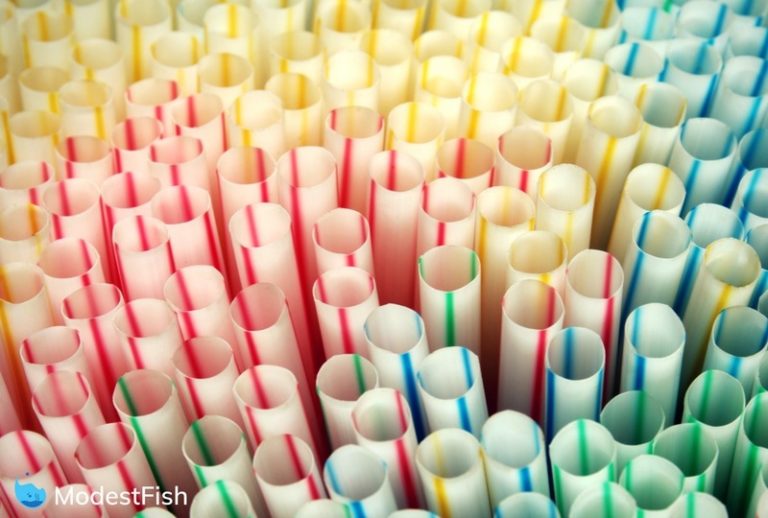
Plastic straws are really bad for the ocean. We use approximately 500 million straws every year in the US.
And most of them end up in our oceans through being left on the beach, littered, or blown out of trash cans, boats, and vehicles.
Why target plastic straws?
Because most of them are too lightweight to make it through mechanical recycling sorters. Dropping through sorting screens, they mix with other materials and are too small to separate and contaminate recycling loads.
I get it, some people need to use straws.
Anyone who has experienced a stroke, has autism, MS, or other physical issues often needs plastic straws because they tend to work best.
Using compostable plastic straws can be an excellent alternative. But, they can cause the same problems if you they’re not disposed of correctly, because they’ve been designed to break down in compost facility conditions, not sea water.
I suggest only using them if you have no other options, and support the switch to paper straws.
You can see more options by visiting and supporting StrawlessOcean.
I encourage you to make a personal commitment and politely say “no” to plastic straws whenever you order a drink. And encourage your friends and family to do the same.
Use your own paper, glass, bamboo, or stainless steel straw instead.
You’ve got more power than you think.
Want to take your impact even further?
Reach out to local businesses and encourage them to offer non-plastic straw options. If you’re embarrassed or don’t think it’ll work, take inspiration from this story.
Drink Using Reusable Bottles or Mugs
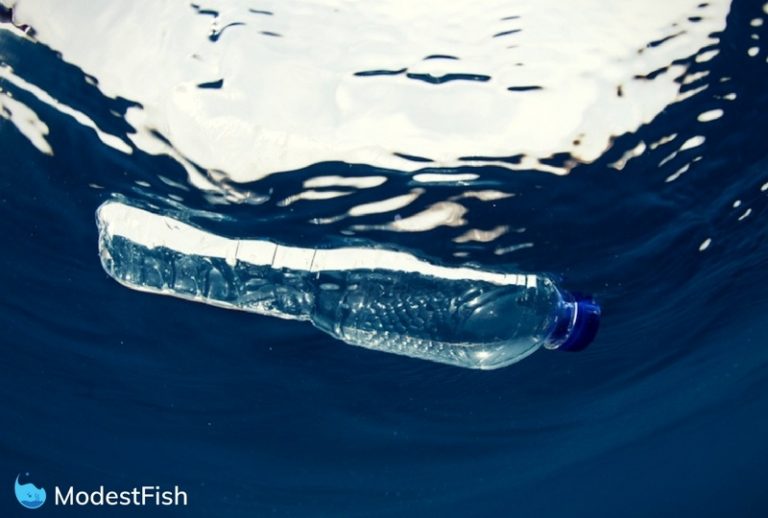
We’re dumping 40 million plastic water bottles per day–40 million.
Clever marketing made us believe bottled water is healthier and purer than tap water. But is it?
A study conducted by the Natural Resources Defence Council (NRDCA), found plenty of bacteria and chemicals in bottled water.
And since there aren’t many regulations in place for bottled water, you don’t really know what you buying.
In fact, a lot of cases (40%), it’s just tap water that’s been run through some filters.
If your water bottle says it’s from a “municipal source: or “community water system”, it’s just tap water.

Use Reusable Bags for Shopping
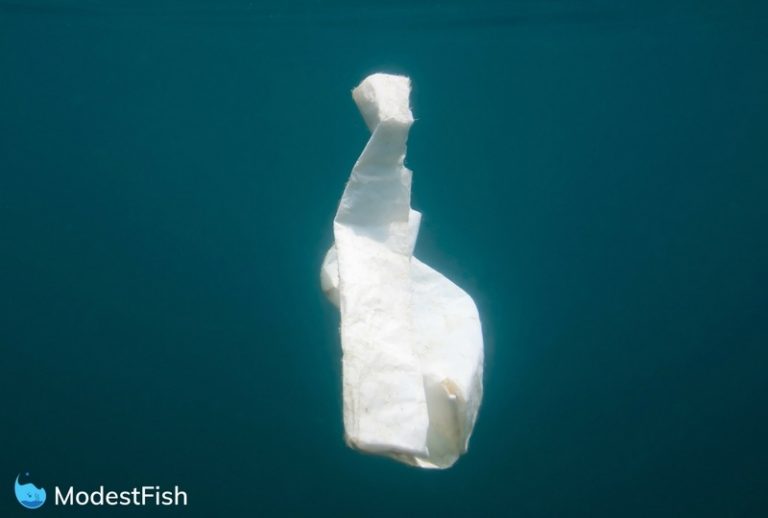
One trillion plastic bags are discarded every year. And each one can take up to 1000 years to degrade.
Here are some practical alternatives to using plastic bags:
(re)Zip Lay-Flat Lunch Leakproof Reusable Storage Bag
Enable you to save up to 300 disposable baggies per single zip bag.
Stasher Reusable Silicone Food Bag
Stasher bags are self-sealing and fully functional. They also contain no petroleum, PVC, or latex.
Reusable Produce Bags
You can use these reusable mesh produce bags to transport shopping when you go to the grocery store or farmers’ market.
Zero-Waste Bento Bag
100% cotton bags can be used for bread, small snacks, fruit, and more.
Easy Open Sandwich Bags
Use sandwich bags to keep your food healthy, fresh, and safe because they’re made from cotton fabric and are non-toxic.
Organic Cotton Grocery Bag with Bottle Sleeves
These organic cotton grocery bags have 6 interior pop-out bottle sleeves to keep tall items in place.
Linen Bread Bags
Better at than plastic, these stylish, flat linen bread bags will keep your loaf of bread fresher for longer.
Grab Bag
Reusable and eco-friendly, these grocery bags expand to hold up to 40 pounds of groceries.
And it doesn’t stop there. They’ll also clip onto the side of your cart to make it easy for you to grab and go.
Don’t use Disposable Razors
The EPA estimates 2 billion disposable razors are thrown away each year.
I know what you’re thinking…
Outrageous.
You’re right. Especially when you consider you can’t even recycle them in the U.S.
Well, you might be able to recycle the blades (you’ll need to check with your local recycling center), but your standard disposable razor is going in a landfill.
It’s arguably the most wasteful product in your bathroom.
Here are some practical alternatives for you:
Electric Shavers
This ones going to cost you a bit up-front, but you’ll save in the long run–trust me.
An average 4-pack of of disposable razors cost you about $8. And each one roughly lasts 2 weeks.
That works out to around $200 a year.
An electric shaver might cost you between $30-$50 one time, so it’ll pay for itself in the long run.
If you decide to make the switch, go on an eco-binge and get one with a solar charger.
Use Recycled Instead
If you’re not able to give up disposable razors, there are some made from recycled plastic.
Preserve and Schick both offer razors made from recycled materials. It’s better than non-recycled, but they’re still not going to be recycled.
Buy Reusable Razors and Replace the Blades
This doesn’t eliminate the waste, but definitely works to reduce it. Especially if you sharpen your blades for reuse.
Straight Razor
This might seem a daunting prospect, but using a straight razor on your face produce fantastic results. Plus, you’ll look cool doing it.
Might be best to have this done by a skilled barber first so you understand the thrill.
Don’t Forget the Classic Safety Razor
The predecessor of your disposable razor.
Traditional safety razors only require you to throw away the blade, which can be recycled. They’ve been around for just over a hundred years and come in a vast array of styles.
Don’t Chew Gum Anymore
Odd one, I know…
But, chewing gum is actually made of a synthetic rubber–that’s plastic. And 100,000 tons of gum is discarded every year.
Click to Enlarge Image

Not-So-Green Gum: Is Chewing Sustainably a Reality?
Infographic by CustomMade
If you love to chew, here are some alternatives for you:
Chicza – 100% natural, organically certified, and harvested under a fair trade scheme, Chicza is biodegradable.
Cloves – A natural spice, cloves have many benefits beyond freshening your breath. Cloves help improve digestion and reduce inflammation.
Fennel seeds – Often used as flavoring in natural toothpastes.
Cardamom pods – A spice native to India, people say it’s comparable to mint. Personally, I’m not buying it.
Mint leaves – Stay minty fresh without rotting your teeth or harming the ocean.
Don’t use Helium Balloons
I know, it’s a shame because they bring so much joy go up. However…
…the joy can quickly turn sour when they come down.
Many marine species mistake them for food and eat them, which can be fatal.
There’s a lot of balloons out there:
In their 2017 report, the International Coastal Cleanup program collected enough balloons to lift a 2,200 pound walrus.
Therefore, here are five ways you can remove balloons but keep the fun.
1. Ribbon Dancers
Instead of providing balloons, why not offer something more fun and engaging? Ribbon dancers are awesome, a lot of fun, and get people up and moving.
When are group of people are spinning and twirling with a colorful ribbon it’s a lovely sight to see.
2. Flags, Banners, Streamers and Dancing Inflatables
Reusable, eye-catching, and a money saver, colorful streamers, flags, and banners are weather resistant and can be used again and again.
3. Kites, Garden Spinners, and Pinwheels
Vibrant fabrics dancing in the wind, eye-catching colors spinning–sounds like a great time to me.
4. Bunting
A creative way to decorate, these beautiful, unique waves of fabric can be bought or made a home with different patterns, shapes, and colors.
Again, it’s reusable so you can use them over and over.
5. Giant Bubbles

Yeah, I know, you’re excited at the prospect–who isn’t? Everyone loves bubbles and the bigger the better.
Check out Dr. Zigs. They’re award winning (yes, award winning bubbles) are truly awesome. And not only that, they’re company is built on strong ethical and environmental principles.
If you want more exciting ways you can entertain without balloons, check out this article here.
Say No to Plastic Microbeads
These are tiny plastic particles sometimes added as an exfoliating agent to your personal care and beauty products like face scrubs, soaps, and toothpaste.
Because they’re so tiny, they pass unfiltered through sewage treatment systems and end up in your local waterway, and then the sea.
The potential risk microbeads pose to marine environments and possibly you are becoming more and more apparent. Several countries, including the U.S., have introduced bans.
However, many of the bans have yet to be enforced and some are limited in scope.
So if you see these terms on the packaging, avoid:
- Exfoliator
- Scrub
- Buff
- Polish
2. Eat Safe and Sustainable Seafood
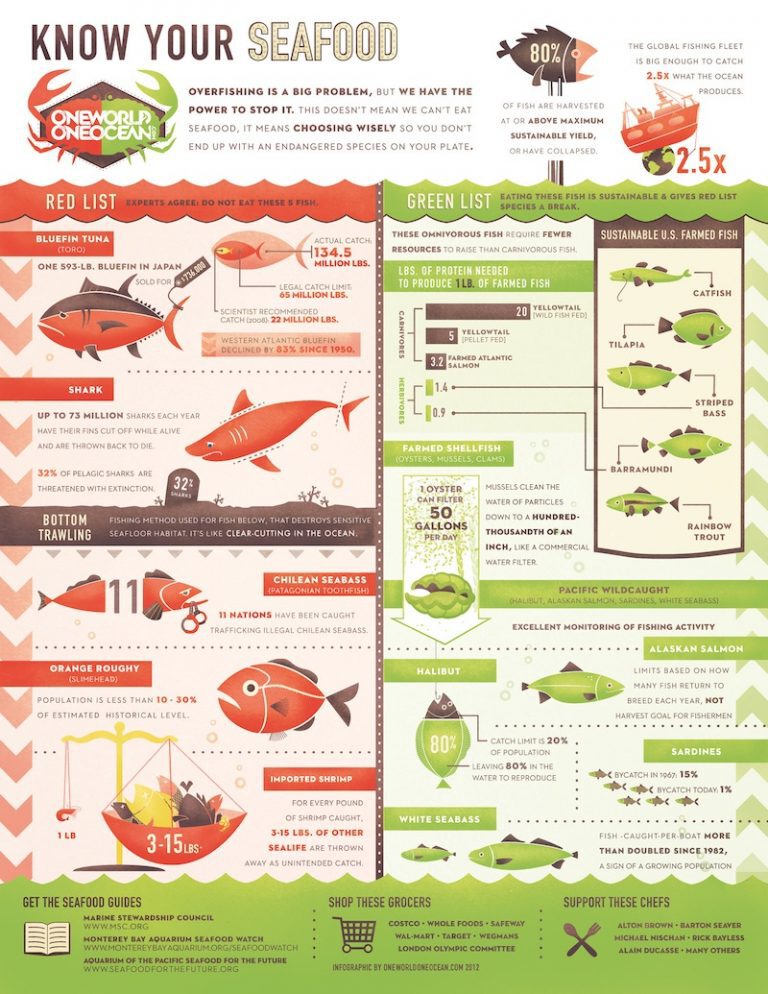
Global fish populations are being depleted due to demand, loss of habitat, and unsustainable fishing practices.
If you eat seafood, you can help.
90% of the seafood consumed in the U.S. is imported, so you can help by making the right choices when at the market or dining out.
By asking where the fish comes from and how it was caught, you can help encourage better management of fish stocks in the U.S. and abroad.
Avoid all shark products and any fish products where there’s no information on the sustainability of operations.
If the company isn’t happy to make it easy for you to find information regarding sustainable fish stocks and fishing methods, avoid.
I know, this is a tricky one to stay on top of and wrap your head around. To make it easier for you, you can check out these resources:
Shark finning bans and policies
3. Help Take Care of The Beach
This is an easy one you can do if you leave near a beach, enjoy diving, surfing, or relaxing on the beach.
Just clean up after yourself.
Here are three easy ways you can help look after your beach:
1. Pack your Coolers with Glass, Stainless Steel, and other Reusable Containers
When you take plastic to the beach, whether you mean to or not, it tends to stay there.
Plastic bottles and bags are easily taken by wind and transported to where they should be–the ocean.
And even if you do throw them in the trash, the trash cans often overflow and end up being blown away as well.
If you do a little prep by pouring bags of chips into reusable plastic containers and bring stainless steel water bottles, you’re less likely to forget them.
And the wind would need to be pretty hefty to pick up a stainless steel bottle.
I understand, sometimes you have restrictions on what you can bring and you need to purchase items at the beach.
If this is your situation, just make sure you bring your own trash bag, and take extra care to clean up.
2. Buy ocean-friendly sunscreens
Potentially hundreds of metric tons of sunscreen enters the ocean every year.
Many of which contain chemicals known to kill off algae coral reefs depend on for life and bleach corals.
Switching over to an ocean friendly and biodegradable sunscreen can be better for your skin and the ocean’s ecosystems.
3. Join the clean-up efforts
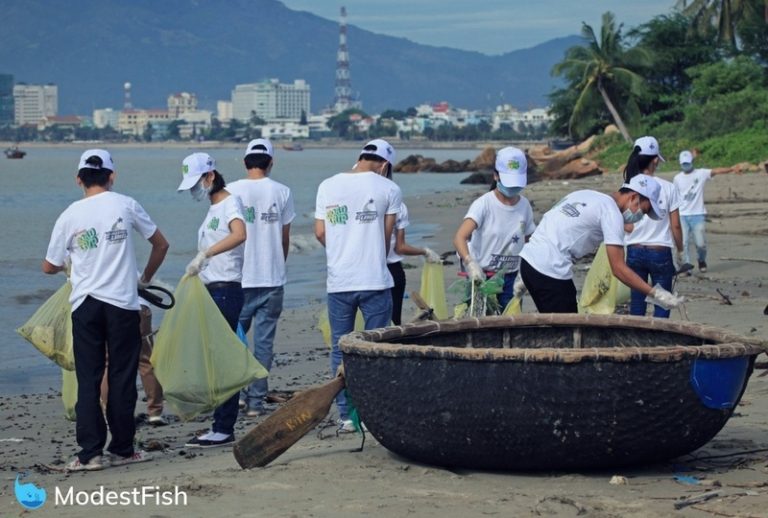
Every year, Ocean Conservancy organizes the International Coastal Cleanup.
This global event asks volunteers to collect plastic and other garbage from coastal areas and waterways.
Last year, more than 500,000 people from 112 countries took part to collect over 18 million pounds of trash in one day.
In 2018, the event is planned for September, 15th. But, I know you’re eager to help, so luckily for you, you don’t have to wait.
Ocean Conservancy has a DIY toolkit to help you organize clean-ups in your own community.
And to help you keep track of your cleanup efforts, you can use Ocean Conservancy’s Clean Swell App.
You can track and share your progress on social media and submit your data directly to the global ocean trash database to help support the effort.
4. Don’t Buy Items Exploiting Marine Life
Make informed decision about which tour companies to use. Avoid purchasing products/souvenirs exploiting marine wildlife.
These products can contribute to harming coral reefs and marine populations.
Items that exploit marine life:
- Coral jewellery
- Tortoiseshell hair accessories
- Starfish and shell related trinkets
- Shark products
- Nautilus Shells
- Marine Turtle Shells
5. Be an Ocean-Friendly Pet Owner
If you’re like me, and you love your pet and the ocean (I have a deep connection because of my love for aquariums), you may or may not realize the way you care for, feed, and clean up after them can have an impact on the environment.
Here are 5 ways you can be a more ocean-friendly pet owner:
- 1. Read pet food labels and consider how sustainable the diet it you’re providing your pet.
- 2. Never flush cat litter, because it can contain pathogens harmful to marine life.
- 3. Never release aquarium fish or other marine creatures into oceans, rivers, or other bodies of water. You risk introducing non-native species harmful to existing ecosystems.
- 4. Don’t buy live saltwater fish caught in the wild for your aquarium. Be sure to choose marine life that are acquired safely, and sustainably.
- 5. Pick up after your pets.
6. Use Cloth Diapers
The EPA estimates that 7.6 billion pounds of disposable diapers are discarded in the US each year.
That’s a lot of dirty diapers.
In fact, disposable diapers are the 3rd largest consumer item in landfills, and represent 30% of non-biodegradable waste.
And even though it might feel like your child doesn’t contribute much to these numbers, each baby wearing disposable diapers over the course of two years contributes to approximately 2000 pounds of garbage.
That’s literally a ton of toxic waste.
That’s why cloth diapers are a much better alternative. They’re not only eco-friendly, they’re healthier for your baby and cost less long-term.
If you’re unsure on how to get started using cloth diapers, check out this guide on everything you need to know about cloth diapers.
7. Mind What You Put Down The Sink
You’ve probably heard this one before.
There’s a lot of good advice available telling you what you can and cannot put down your sink. But, there’s still a HUGE problem.
Cleaning products.
Yes, not only is cleaning boring for most, it’s an environmental mindfield.
Why?
Because the words biodegradable, natural, and green are unregulated. Companies can just stick it on anything.
I know what you’re thinking:
“How am I supposed to make good choices?”
You’re right to think that. Therefore, I’m going to give you one easy thing to get you started.
You’re going to have to read the label and look for phosphates.
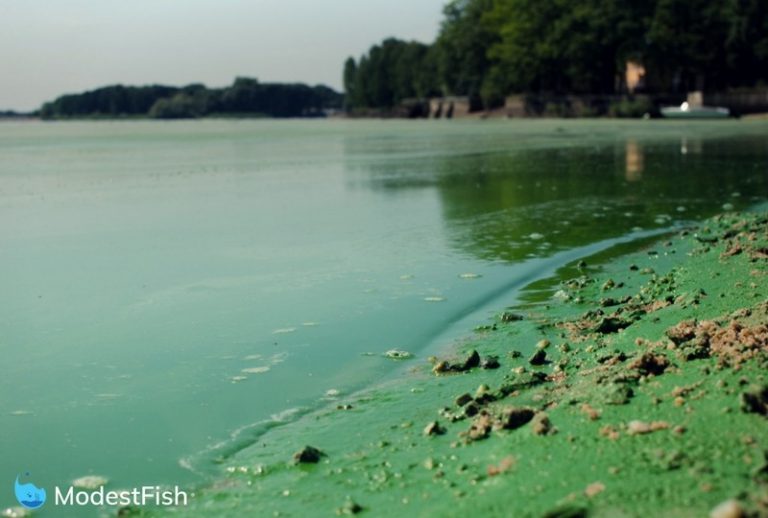
Now, phosphates are actually good because they help support algae and aquatic life. But…
Too much of it causes this stuff to grow way too fast and the eco-system can’t handle it. So avoid putting anything down your sinking containing phosphates.
8. Be Wary of Microfibers
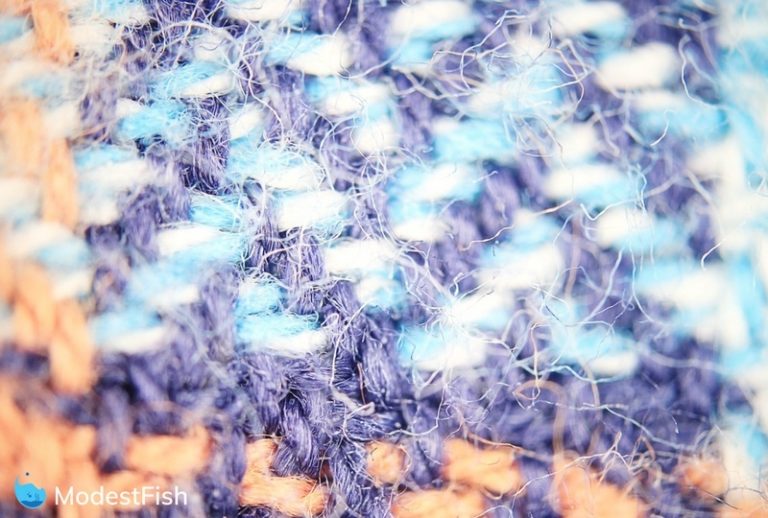
Your clothing is made from acrylic, nylon, and polyester. Yes, that includes your beloved yoga pants.
But, did you know this?
Every time you wash these synthetic fabrics, millions of microfibers are released into the water. And they’re too small to be filtered out by waste treatment plants.
So guess where they end up?
Yep–the ocean.
And that’s where they wreak havoc on marine environments and life.
These plastic fibers are showing up in fish and shellfish sold in California and Indonesia for human consumption.
One paper showed microfibers are responsible for 85% of shoreline pollution across the globe.
Here are some ways you can help:
- 1. Wash synthetic clothes less often and for a shorter time.
- 2. Fill up your washing machine. Washing a full load results in less friction, releasing fewer fibers.
- 3. Use a colder wash setting because higher temperatures can damage clothes and release more microfibers.
- 4. Dry spin clothes at low revs because higher revolutions increase friction–producing more fibers.
- 5. Consider investing in a Guppy Friend wash bag. In tests, the bag captured 99% of fibers released in the washing process.
9. Don’t Litter
Yes, I know–it’s obvious.
But, preventing litter is a vital step to ensuring your plastic waste gets disposed of properly and doesn’t end up in our oceans and other environments.
Mismanaged waste like litter is the number one cause of plastic garbage in the world’s oceans.
Ocean Conservancy have an excellent suggestion for helping you stay on top of your litter:
Take five whenever you leave a space. Have a quick look around and ensure you’re not leaving any trash.
Plastic bags are a huge issue because it’s so easy for them to be blown away. If you do throw one out, ball it up or weigh it down so the pesky wind can take it away.
10. Engage and Share with Others
Everyday waste is not an issue we often talk about in general conversations.
But, if you really want to help the cause, educating and engaging others needs to happen.
Now, I don’t recommend you go telling random people in the street or chasing people down if they litter.
That might not end too well for yourself. And you may hurt the cause by annoying people.
Start at home.
Talk to friends and family about issues and share your experiences/knowledge.
11. Support Organisations Working to Protect Your Ocean
Supporting companies and entrepreneurs trying to make a difference can be an excellent way to spend your spare dollars.
This could be anything from rethinking product design; to attempting to reduce waste across their entire chain.
You can then support green groups on the front line. Some of these include:
- Ocean Conservancy
- The Ocean Cleanup
- Oceana
- Institute for Ocean Conservation Science
Here’s How to Take Your First Steps
Look:
I’m just like you. I’m not perfect, I’ve committed plenty of acts which haven’t help the cause. However, this is what I’m going to do, and I advise you to do the same.
Educate yourself further. Checkout out some of the green groups, watch documentaries, read more articles. The more aware you are, the easier it is to know how you can make small changes to help.
Don’t try to do everything. You’ll end up making too many changes too fast, lose track, forget things, and become frustrated.
Instead, try this:
Pick a few things from the list you think you can easily incorporate into your everyday life and make a habit out of it.
I get it, it’s not easy to magically pick up and stick to a new habit.
If you struggle, try applying the 3 R’s of habits:
- Reminder (the trigger that initiates the behavior)
- Routine (the habit or behavor)
- Reward (the benefit you gain from doing the behavior)
Here’s how I applied this to my life when I wanted to stop using plastic bags for groceries.
Step 1: The Reminder
Your reminder shouldn’t rely on motivation or require you to remember to do your own habit.
It needs to make it easy for you to start by including it into something you always do.
For example, when I go to buy groceries, I drive there. I always drive, so that’s my reminder. But, that doesn’t mean I’m always going to bring my reusable bags.
So to make it effortless, I store them in the trunk. I then didn’t have to ever think about bringing them, I knew they’d always be there.
Step 2: The Routine
I’ve already spoken to you about this previously. You want to pick a something from the list that’s so easy for you, you can’t say no.
The reusable shopping bag is an excellent place to start because it’s so easy to do.
Step 3: Your Reward
It’s important you congratulate yourself for doing it. It’ll reinforce your habit because your action needs to be constantly repeated to turn it into a habit.
Now, I actually planned ahead a little for this. Before switching to the reusable bags, I did a grocery shop and counted all the plastic bags I used as a result (it was six by the way).
Now every time I’ve completed my shop, I remind myself that’s six less plastic bags.
I also keep an overall tally of the amount of plastic bags I haven’t used.
You’re reward can be as simple as saying, “good job.” Just make sure you give yourself some credit.
It’s true, the 3 R’s are a bit generic, and you may have to experiment a little to find the right reminder.
But keep reminding yourself, this is a long-term process. No one is expecting you to perform miracles.
Share on your Pinterest!

Great collection of information! But reads as a book, so for our Facebook Sea Changes ACT I will try to post segments and Link to this.
Thanks Emma and team!
What a fantastic read! Very well put article. I work in a bar and we’ve actually introduced bio-degradable straws instead of plastic ones.